

With the launch of the Vivo X300 Pro smartphone, Vivo is reshaping the definition of mobile photography with a phone. The Vivo X200 Pro proved to be a hit, but with this new launch, Vivo has ushered in an entirely new trend in mobile photography through this device.
From my first foray into the X300 Pro, I loved its camera capabilities, including the 1-inch ZEISS co-engineered primary sensor, custom V3 processor and f/1.4 lens. The triple camera system (50MP wide-angle, 100mm zoom, AI-powered night engine) demonstrates Vivo’s commitment to imaging advancements. The X300 Pro does even more realistic colour work, highlights in greater elegance, and can handle more nuanced image processing than many premium mirrorless systems are capable of, compared to the X200 Pro.
The camera’s powerful system is designed for photographing beauty wherever you are, without any bulky carrying equipment or a lot of lenses. On a recent trip to China, I could get beautiful (you could say stunning) shots of displays and museum halls – all with very varied lighting. This is particularly useful for casual photographers such as myself who want high quality photos sans the burden of lugging heavy gear — essentially a camera that is genuinely portable yet can deliver something as professional as a shot.





Low-light photography is what the X300 Pro truly shines at with its enhanced AI lighting system. The phone relies on a video-based lighting system to detect its surroundings and automatically control contrast and brightness. The result is much better-looking night shots and clearer edges – and much more impressive when taking handheld pictures, even in the dark.

The dinosaur skeleton head and spine (left image) is rendered with crisp texture, from the rough bone surface to the fine teeth edges, reflecting the 50 MP ZEISS gimbal main camera’s high resolving power and stabilisation.
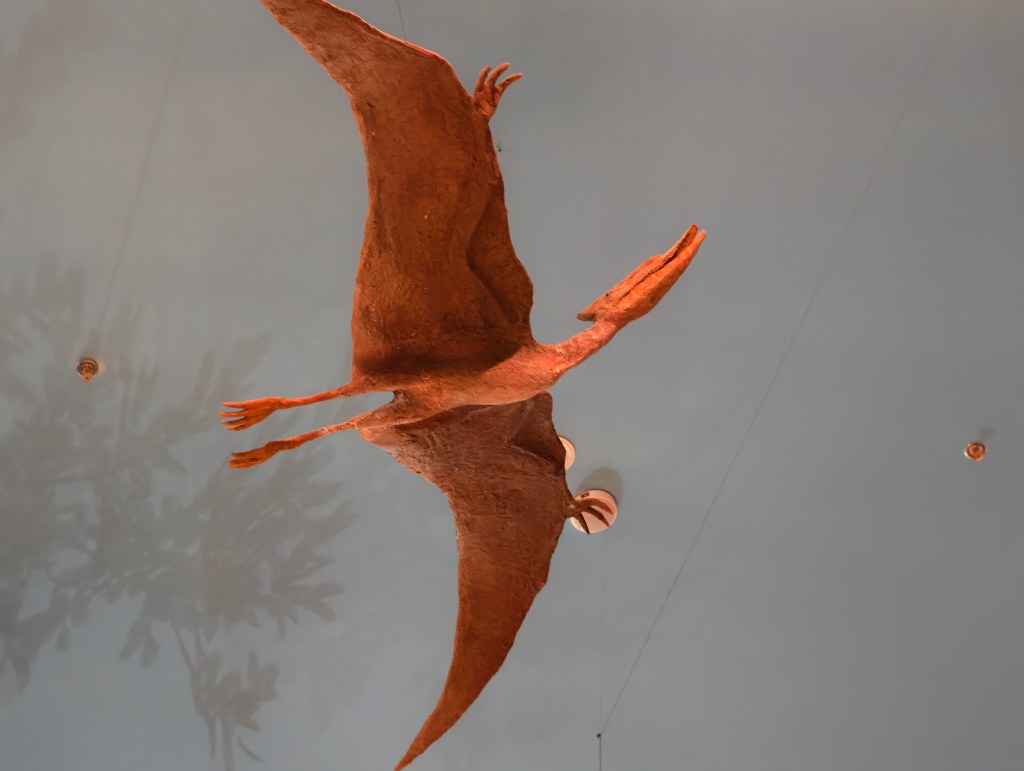
The flying reptile model is framed against a clean sky ceiling (centre image), with the camera maintaining a consistent warm colour and exposure on the model while avoiding banding in the plain background.
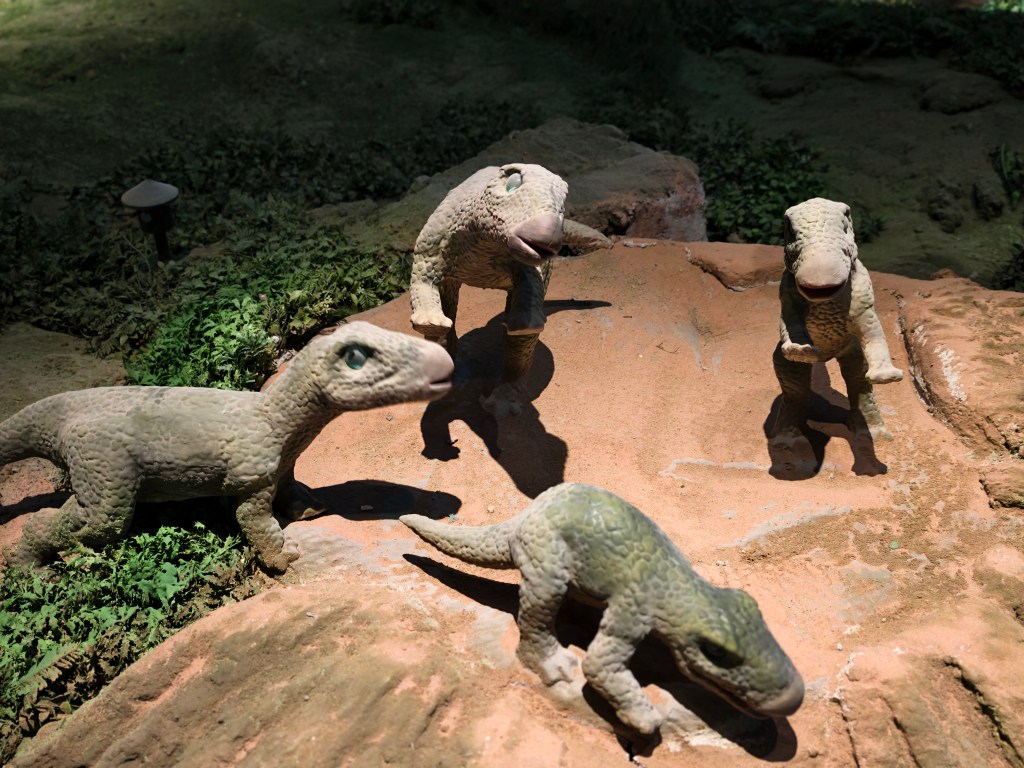
For the collection of dinosaurs (right image), the phone camera handles harsh top lighting well, preserving detail in the bright sand while keeping shadows under control, demonstrating solid HDR from the main sensor.

In the image above, the light shining on the cave installation in the museum appears pretty clean with limited visible noise, which suggests the camera utilised its night and AI processing for better clarity. The highlights around the glowing figures have a controlled halo rather than messy flare.
In addition to enhanced imaging potential, the X300 Pro also has extension accessories. The professional imaging grip kit attachment allows you to use your camera without touching your phone’s screen (even with gloves), providing the tactile feel of using a compact camera or DSLR, not a large smartphone. This feature truly works wonders for anyone who thrives on that sensation of hitting a physical shutter button (like I am) to close the deal. I liked that I could fix the exposure before readjusting my shot size – all with a single button. The grip attachment also includes a zoom toggle and lighting wheel.
In my opinion, the Vivo X300 Pro is beyond an additional upgrade as it’s a significant upgrade that will make people see their smartphone as more than just an instrument for communicating but a huge tool to create memories and create creativity.
The Vivo X300 Pro (16GB + 512GB) is priced from S$1,599 and available via Shopee, Lazada, TikTok, and authorised retailers including Challenger, Best Denki, Courts, Harvey Norman, Gain City, Popular, and telcos. The optional Vivo X300 Pro Professional Imaging Grip Kit retails from S$179.
 101reasons.blog