
Ever heard of Yiwu? I didn’t until last year. OK, call me a late developer but the city isn’t exactly known as a tourist destination.
It was only last year when we went to our first Canton Fair that we first heard of Yiwu. Some of the Guangzhou show’s visitors told us that they were heading there after the event. That piqued our interest.
And we learnt that Yiwu, which is located in China’s central Zhejiang Province, is also known as the “World’s Capital of Small Commodities”.
World’s largest wholesale market
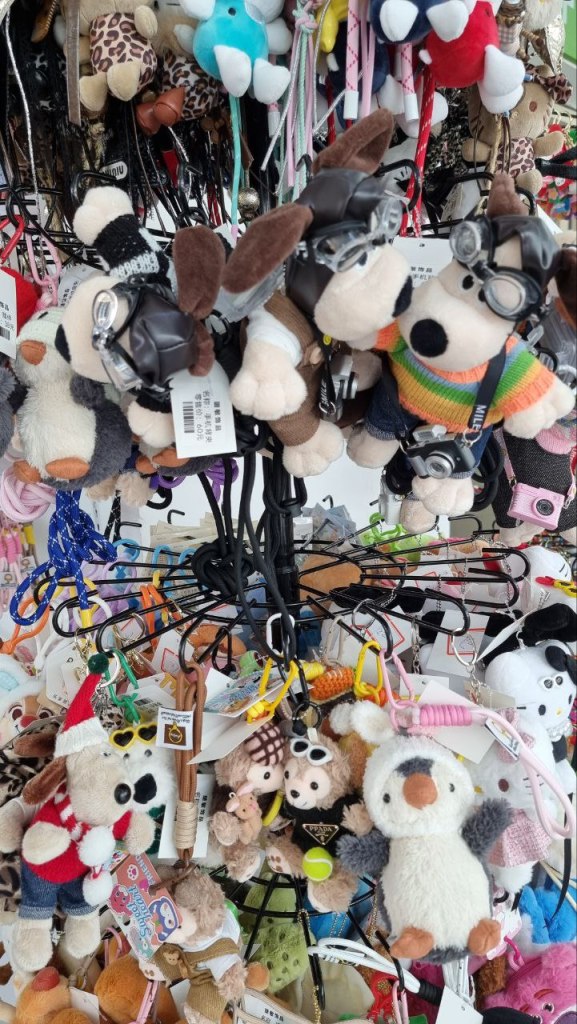
It is home to the largest wholesale market globally, featuring more than two million products (that’s more than one for each of the city’s residents) across 236 categories.
Interestingly, Yiwu’s history is all about trading — dating back to the Qin Dynasty in 222BC. This is because of the city’s strategic location and the region’s lack of agricultural land. In recent decades, it has morphed into a major commercial centre that attracts more than half a million international buyers annually.
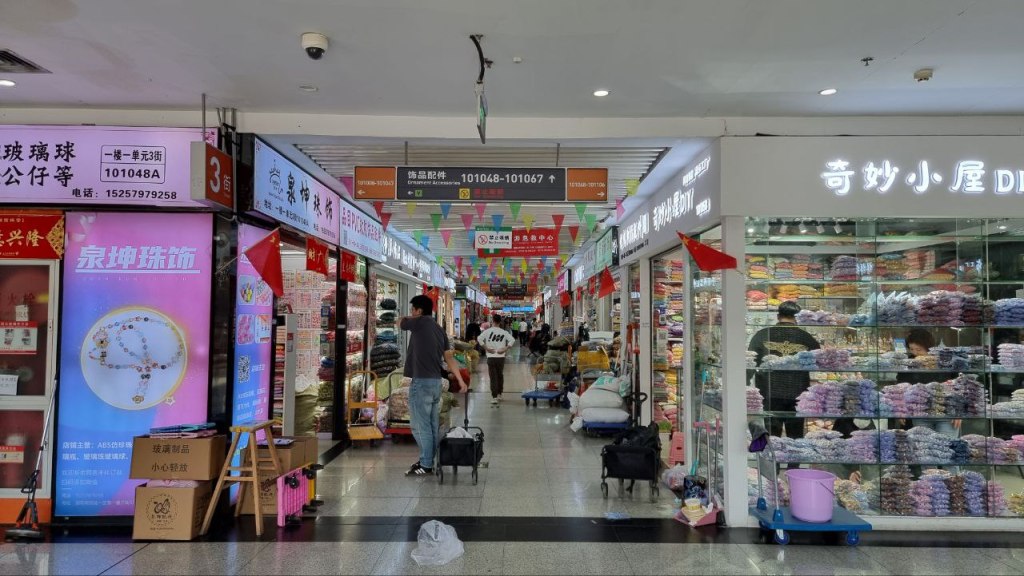
We decided to make a trip there to see for ourselves and were thoroughly impressed by the sheer size of the Yiwu International Trade City, which spans five million square metres. As you can imagine, that’s a massive area. It is divided into multiple districts specialising in various products, from household and textiles to electronics and toys.
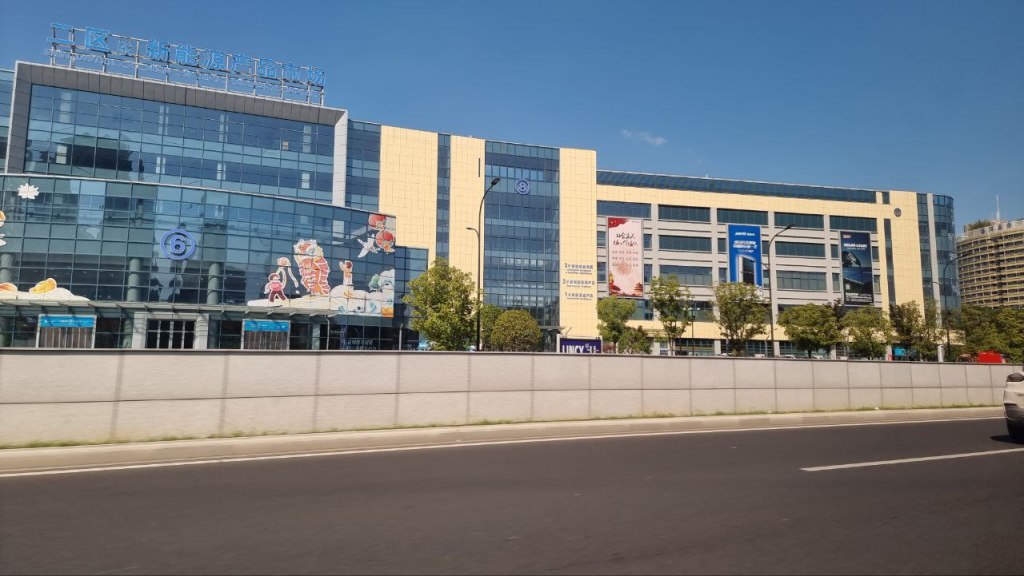
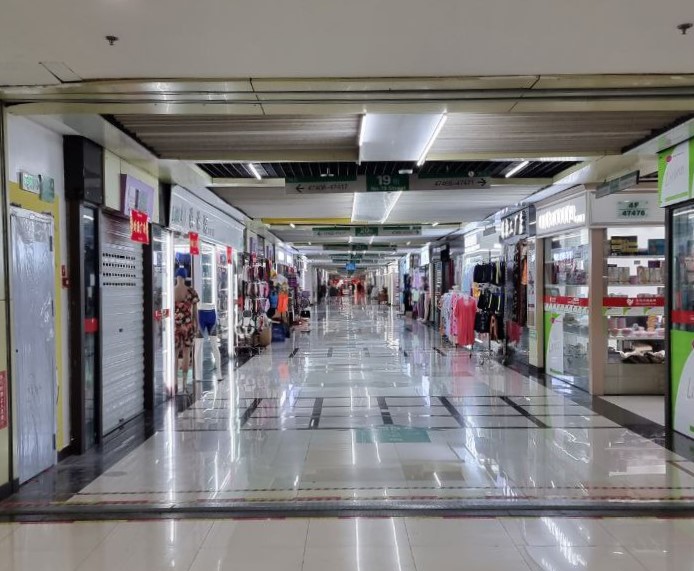
Each building is like a megamall with endless corridors. Navigating to find a particular shop with just the shop number requires a bit of skill and lotss of footwork.
It is indeed a playground for traders with so many products and choices available. European, Middle-Eastern and other non-Mandarin speaking traders are often accompanied by local guides to help in communication and negotiation, much like Canton Fair. That also explains the number of foreign restaurants in the city.
5 reasons to head to Yiwu
Here are five compelling reasons to consider a visit to Yiwu:
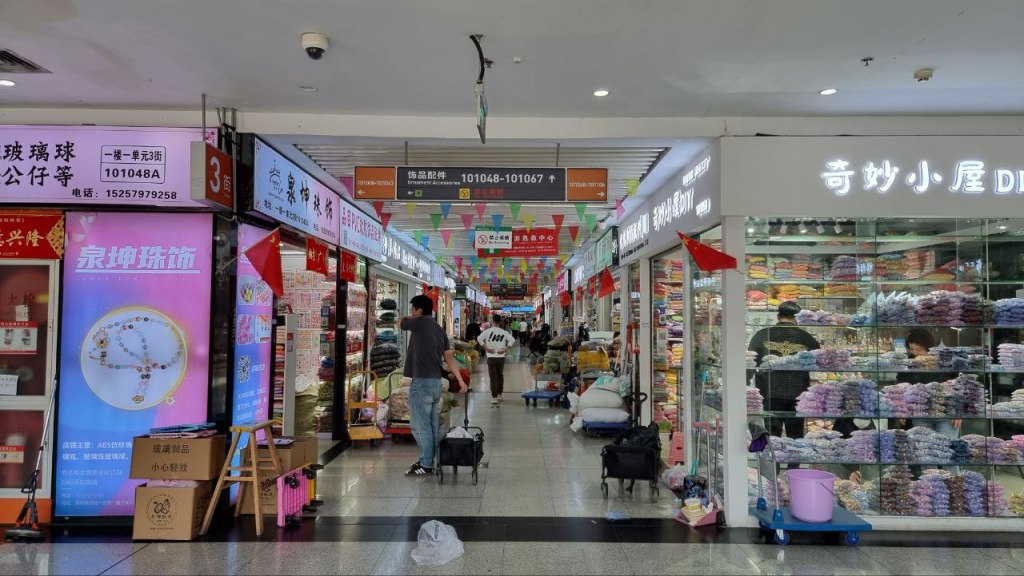
1. Extensive product range: With more than two million products across various categories, there is something for everyone. What’s most important is to know what you are looking for because each building hosts certain categories of products. And the whole area is really wide so it takes time to move even from one part of the building to another.
2. Competitive price: Competition is intense as many of the shops in a particular section sell similar products.
3. Low minimum order quantity (MOQ): Many suppliers often offer lower MOQs, making it easier for small businesses and startups to test new products without significant investment. Plus, some even sell in single pieces.
4. Easy logistics: Logistics service providers are located in the buildings for easy transportation and delivery of orders.
5. Convenient transportation: Yiwu is easy to get around. We used Didi (China’s equivalent of Uber) and the fare is really affordable. Caveat is that the Didi drivers in this city tend to be a tad impatient and freely use the horn. To get to the city, we took a flight to Hangzhou and then 1.5-hour private hire ride to Yiwu.
Lasting impressions
What left a lasting impression on us is that Yiwu International Trade City is like a permanent Canton Fair.
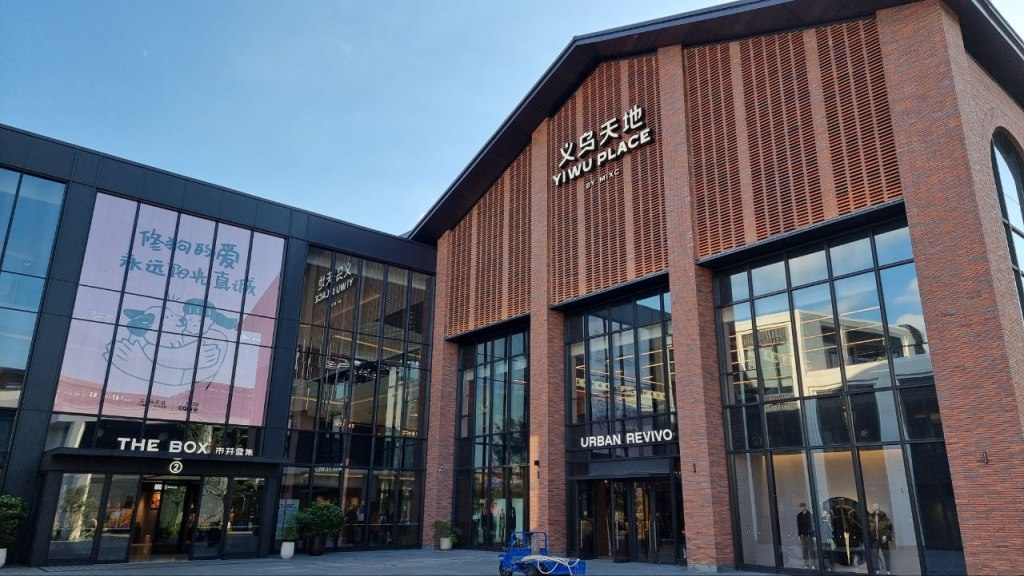
The city itself also has so much to offer besides wholesale markets — modern malls, toursit sites that are rich in history, and loads of food options. We will be back!
 101reasons.blog